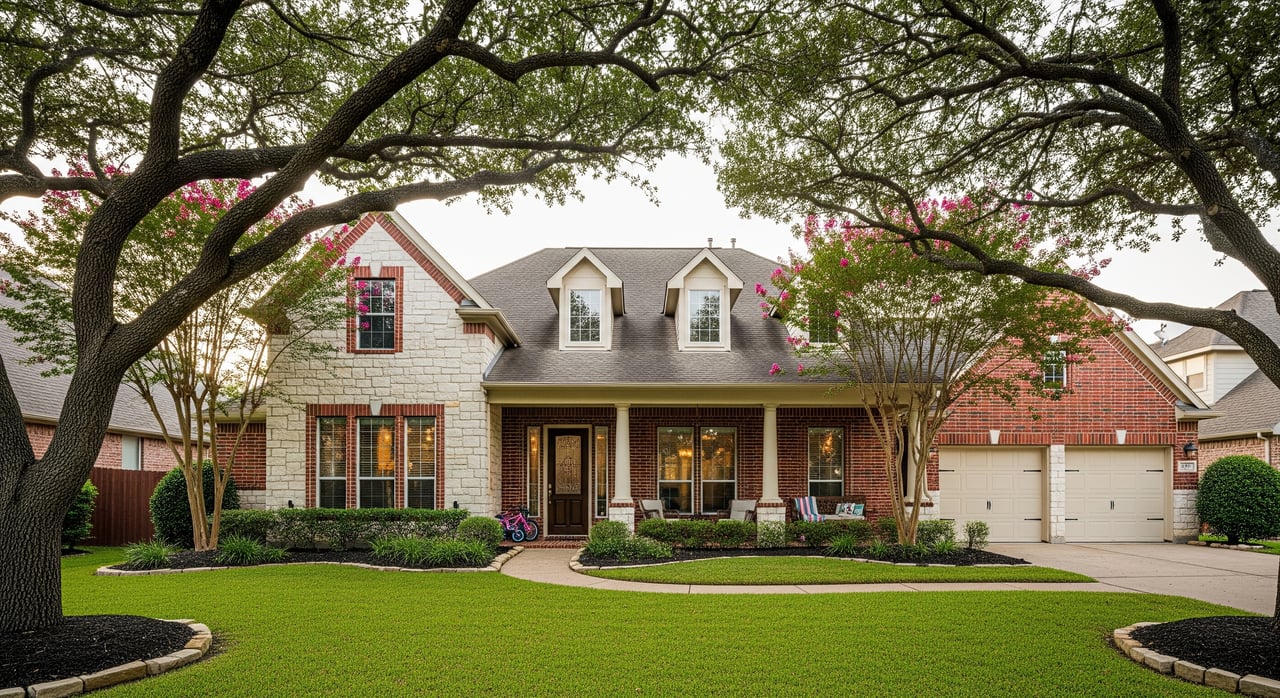
Outgrowing your starter home and eyeing more space in Sugar Land? You’re not alone. Many families look for bigger yards, flexible floor plans, and everyday convenience without giving up access to schools and parks. In this guide, you’ll compare leading move-up neighborhoods in Sugar Land and learn how to evaluate schools, taxes, flood risk, and commute time so you can buy with confidence. Let’s dive in.
How to shortlist your fit
Before you focus on a single neighborhood, get clear on the three priorities that matter most to your family:
- School access and programs
- Home and lot size that fit daily life
- Community amenities, taxes, and commute time
Use these to filter options quickly. You’ll also want to verify address-level details like school zoning, HOA rules, and any special district taxes before you write an offer.
First Colony
First Colony is one of Sugar Land’s original master-planned areas with mature trees, sidewalks, and a central location. You’ll find a mix of 1980s to early 2000s homes, plus renovated properties that add modern kitchens and open layouts.
Why families choose it
- Close to retail and dining, with easy access to community parks and city amenities managed by the City of Sugar Land
- Sidewalks and trails across many sections
- Renovation opportunities if you want to personalize
Keep in mind
- Inventory can be tight in the most walkable pockets
- Some homes may need updates depending on age
Telfair
Telfair is a planned community designed for everyday convenience and neighborhood engagement. Most homes were built from the mid‑2000s onward, with family-focused floor plans and community programming.
Why families choose it
- Recreation centers, pools, trails, lakes, and neighborhood events
- Generally newer construction and turnkey finishes
- Central Sugar Land location with quick access to major roads
Keep in mind
- HOA fees and deed restrictions are typical of master-planned communities
- Confirm lot size and building rules if you plan future additions
Riverstone
Riverstone offers an upscale, resort-style environment with multiple sections, including some gated areas and higher-end finishes. Many homes provide larger footprints and curated landscaping.
Why families choose it
- Clubhouses, pools, private parks, lakes, and extensive trails highlighted on the official Riverstone community site
- Larger, higher-finish homes with options for multi-generational living or home offices
- A range of sections that can match different space and privacy needs
Keep in mind
- Price points often sit above older Sugar Land neighborhoods
- HOA rules vary by section, so review documents carefully
New Territory and nearby
New Territory and nearby planned communities balance space, value, and access to major corridors. Homes typically range from the 1990s to 2010s with community pools and parks.
Why families choose it
- Larger lots and flexible two-story plans at approachable price tiers
- Strong amenities and proximity to retail
- Convenient access to State Highway 6, I‑69/US‑59, and the Grand Parkway
Keep in mind
- Some sections may be outside Sugar Land city limits, which can affect services and taxes
- Always verify municipal boundaries for your target address
Imperial, Sugar Creek, and Sugar Mill
These established neighborhoods feature traditional architecture, mature landscaping, and convenient access to major roads and local services. Some buyers pursue renovation or even tear-down and rebuild in select pockets.
Why families choose it
- Larger lots in mature, centrally located neighborhoods
- Options to customize or expand
- Close to city parks and community facilities on the City of Sugar Land site
Keep in mind
- Flood history can vary by street, so research address-specific risk
- Older homes may require updates or maintenance planning
Schools and zoning
Most of Sugar Land is served by Fort Bend Independent School District. Because boundaries can change with growth, verify the exact elementary, middle, and high school for any address directly with FBISD. If school performance is important to you, compare recent accountability data from the Texas Education Agency.
Practical steps:
- Confirm assigned campuses for your short list of addresses with FBISD
- Review TEA accountability reports for a consistent, statewide framework
- Ask about capacity and potential boundary updates as communities grow
Taxes, HOAs, and special districts
Property tax bills in Fort Bend County can include city, county, school district, and possible Municipal Utility District assessments. Look up parcel details and tax history through the Fort Bend Central Appraisal District.
What to check:
- HOA fees and what they cover
- Architectural rules if you plan exterior changes or additions
- MUD or other special district assessments in newer sections
Flood risk and due diligence
Flood risk is highly address-specific in Sugar Land and across Fort Bend County. Always check the FEMA maps for your target properties and consider insurance even if a home is outside the high-risk zones.
How to evaluate:
- Use the FEMA Flood Map Service Center to review zones by address
- Consider an elevation certificate and a licensed inspector’s opinion before finalizing an offer
- Ask about local detention basins, past events, and any mitigation projects affecting the area
Commute and daily convenience
Sugar Land sits along the I‑69/US‑59 corridor with key connections via State Highway 6 and the Grand Parkway. Drive times vary by time of day, so test your commute during typical drop-off and pick-up windows. Also factor proximity to grocery, healthcare, and after-school activities.
Resale outlook and timing
Established neighborhoods with strong amenities tend to hold value, and newer, amenity-rich communities can perform well when inventory is limited. For current pricing and days on market, review the latest market update from the Houston Association of REALTORS or ask your local agent for up-to-date comps.
Build your short list in 7 steps
- List your top three must-haves such as campus access, lot size, and commute time.
- Confirm the assigned schools for each address with FBISD and review TEA accountability data.
- Check flood zones through the FEMA Map Service Center and consider further elevation details.
- Review 6 to 12 months of comparable sales and active inventory via a local MLS source or the HAR market update.
- Visit target neighborhoods at different times to evaluate traffic, parking, and noise.
- Ask about HOA fees, deed restrictions, and any planned road or retail projects.
- Order a property inspection and, if needed, an elevation certificate before you finalize terms.
Ready to tour Sugar Land homes?
If you’re weighing First Colony against Riverstone or want to compare Telfair and New Territory side-by-side, a local guide can save you time and stress. You’ll get address-level insight on zoning, taxes, flood history, and comps so you can move with clarity. When you’re ready to walk homes or refine your short list, reach out to Janssen Realty Group for disciplined representation and a smooth process.
FAQs
What is a move-up home in Sugar Land?
- A move-up home is a larger or newer property that better fits your current needs, such as more bedrooms, a bigger yard, or a flexible floor plan.
How do I verify school zoning for an address?
- Check assigned campuses directly with FBISD and confirm details with the district before you make an offer.
How can I compare school performance across campuses?
- Use the Texas Education Agency’s accountability reports for a consistent, statewide framework.
Where do I find property tax and MUD details?
- Look up parcel and tax information at the Fort Bend Central Appraisal District and review HOA or special district disclosures.
How do I check flood risk for a specific home?
- Enter the address in the FEMA Flood Map Service Center and consider an elevation certificate and professional inspection for added clarity.