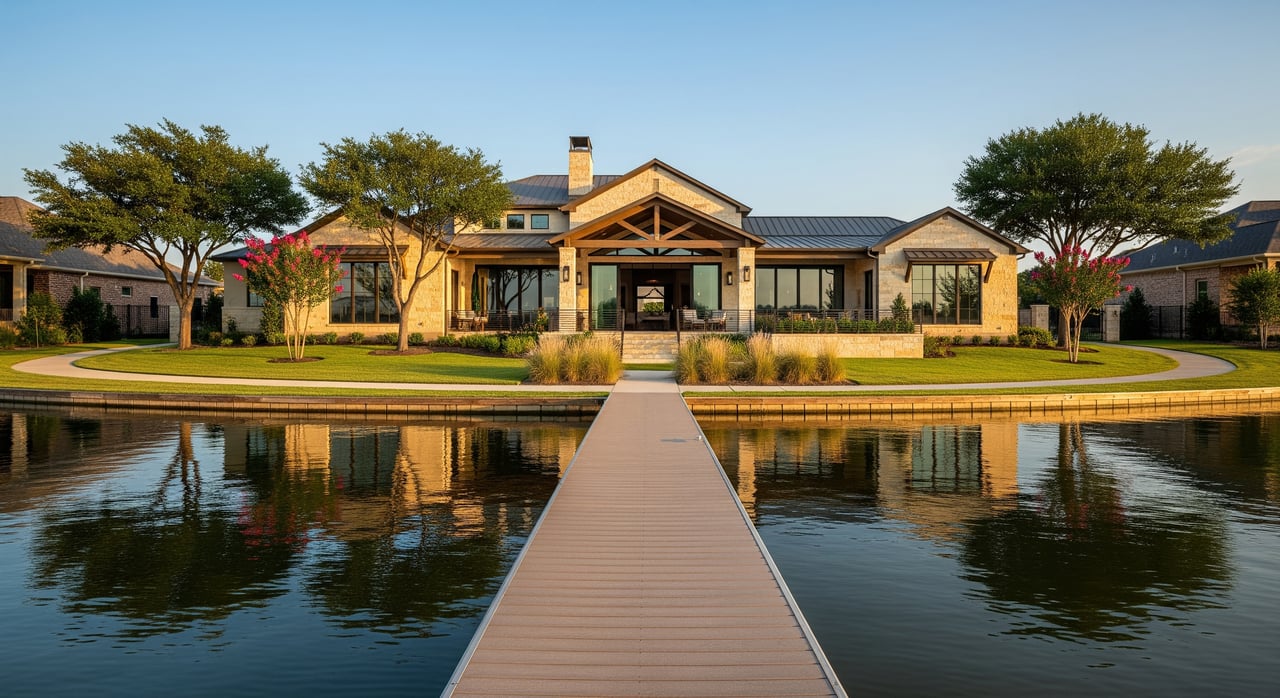
Thinking about buying a lakefront home in Riverstone to rent out? The views and lifestyle are appealing, but water, levees, and HOA rules add layers of cost and risk that many investors miss. You want steady income, protected capital, and a plan that holds up during storm season. In this guide, you’ll learn how insurance, maintenance, vacancy planning, and reserves work together for lakefront rentals in Riverstone so you can buy with confidence. Let’s dive in.
Riverstone lakefront basics
Riverstone is a master-planned community in Sugar Land with man-made lakes, waterfront amenities, and active HOA oversight. Many houses in Riverstone back to community lakes rather than natural floodplains. Some areas sit behind levees or other regional flood-control features managed by local districts.
Management of lakes, shorelines, and flood-control elements is split among the HOA or master association, Municipal Utility Districts, and county levee or flood-control districts. Your exact responsibilities depend on lot lines and governing documents. Before you buy, confirm whether any dock, pier, or small seawall is part of your lot and who maintains it.
Being behind a levee can change FEMA flood zone designations and insurance requirements, but it does not remove flood risk. Levees can be overtopped or reclassified. Interior drainage and heavy rainfall can still cause flooding. Treat levee protection as risk reduction, not risk elimination.
Insurance must-knows
Insurance can make or break returns on a lakefront rental. Start conversations early and shop multiple options during your option period.
What standard policies do and do not cover
- Standard landlord policies (often DP3) do not cover flood from rising water. Flood insurance is a separate policy purchased through the National Flood Insurance Program or private flood insurers.
- Hurricane, wind, and hail are usually covered, but they often come with separate windstorm deductibles. Deductibles may be higher in coastal-adjacent markets.
- Mold, sewer backup, and sinkhole coverage vary by carrier. Many policies exclude or limit these unless you add endorsements.
Steps to take before you close
- Get a flood zone determination and note the FEMA map panel number for the lot.
- Ask for an Elevation Certificate. If one is not available, plan to order it. Some private flood insurers require one to price coverage accurately.
- Request the property’s claims history and ask the HOA or MUD about any past water or flood-related claims.
- Confirm whether the property is behind a FEMA-accredited levee and if any accreditation changes are pending.
- For rentals, ask about endorsements for loss of rental income. Understand waiting periods, limits, and exclusions.
Paperwork to collect
- Flood zone letter and FEMA panel number.
- Elevation Certificate.
- HOA insurance summary and any documents that shift maintenance or repair liabilities to you.
- Confirmation that your insurer will cover the rental use you plan, including short-term rental if applicable.
Maintenance on the water
Waterfront ownership brings specific upkeep expectations. Plan for routine checks and occasional capital work.
Ongoing issues to monitor
- Shoreline erosion and slope stability. After heavy storms, erosion can accelerate. Repairs like riprap, regrading, or plantings may be needed.
- Docks, piers, and small seawalls. Exposure to water drives wood and metal wear. Budget for periodic repairs or replacement.
- Water quality and mosquitoes. Nutrient buildup can lead to algae or mosquito issues. The HOA may treat lakes, but you should still plan for tenant comfort solutions.
- Landscaping and irrigation. Growth and pest pressure can be higher near water. Irrigation systems near the lake may need extra attention and winterization.
- HVAC and moisture. Higher humidity near water can increase HVAC runtime and corrosion risk. Tighten your servicing schedule.
- Drainage and sewer backup. Heavy rain can cause ponding and backups. Consider backflow valves and grading improvements.
Know who pays for what
HOA covenants and architectural rules define which elements are common area and which are yours. Some master associations can levy special assessments for major lake repairs. MUDs or levee districts may also charge assessments for flood-control maintenance. Review these documents before you commit.
Plan for lifecycle work
Expect intermittent but meaningful capital items over time. Examples include dock or seawall replacement, major landscaping renovations, and HOA-driven lake dredging or aeration upgrades. Ask for HOA reserve studies and recent meeting minutes that mention lake or levee projects and any special assessment history.
Budget, vacancy, and reserves
Waterfront properties can command premium rents, but operating costs are usually higher. Build a conservative pro forma that captures the full picture.
Reserve buckets to set up
- Operating reserve. Hold 1 to 3 months of operating expenses to cover minor repairs and short vacancies.
- Capital reserve. Target 5 to 10 percent of annual rent or use a dollar-per-square-foot rule, adjusted for known lakefront needs like dock or seawall work.
- Insurance-deductible reserve. Keep cash equal to your largest deductible. Flood and wind deductibles can run from several thousand to tens of thousands.
- Emergency reserve. Maintain 3 to 6 months of mortgage payments, especially given seasonal storm risk.
Vacancy planning and rent-setting
Use local rental data to estimate rent and typical time on market. Lakefront homes in master-planned communities often have steady demand, but tenant expectations can be higher and marketing time can lengthen after major storms or during shoulder seasons. Build in a vacancy allowance of 5 to 10 percent of gross rent and adjust based on current Sugar Land trends.
Budget line items to include
- Annual insurance premiums for landlord, flood, and wind endorsements.
- HOA and MUD assessments, plus any reserve contributions.
- Routine maintenance such as lawn care, pest control, HVAC servicing, and dock inspections.
- Capital replacement fund deposits.
- Utilities during turnover or vacancy if you cover them.
- Property management fees. Single-family rentals commonly run 8 to 12 percent for full service.
- Taxes, accounting, and legal.
Lender and underwriting considerations
If a federally backed loan is involved, flood insurance may be required when the home lies in a mapped flood zone. Lenders also look at rental income stability. If you plan to operate as a short-term rental, confirm that your loan terms and insurance company permit it. Clarify these requirements during pre-approval to avoid delays later.
Action checklist before you buy
- Confirm the FEMA flood zone and map panel for the specific lot.
- Obtain an Elevation Certificate or budget to order one from a licensed surveyor.
- Contact multiple insurance agents to price landlord, flood, and wind coverage and to verify deductibles.
- Request HOA governing documents, financials, reserve studies, and recent meeting minutes. Look for lake maintenance plans, shoreline easements, and any special assessments.
- Review recorded easements and any permits for docks or shoreline improvements. Confirm maintenance responsibility.
- Order a property-level claims history and review any past flood, water, or mold claims.
- If behind a levee or near county flood infrastructure, contact local floodplain management to ask about accreditation status and planned work.
- Build a pro forma with conservative vacancy, full insurance costs, and a capital line for dock or shoreline repairs.
- Decide what maintenance the tenant will handle and what remains the owner’s responsibility. Put it in the lease.
Make a Riverstone rental work for you
A Riverstone lakefront home can be a strong long-term hold when you budget for the realities of water, levees, and HOA oversight. The path is simple. Confirm insurability early, understand who maintains what, plan for shoreline and dock lifecycle costs, and carry reserves that match your true risk. That combination protects your income and your downside.
If you want a second set of eyes on a specific property, or you need introductions to local insurance agents, surveyors, and property managers, let’s talk. Connect with Unknown Company to align your investment goals with the right home and a disciplined plan.
FAQs
What should I verify about flood risk for a Riverstone lakefront rental?
- Confirm the FEMA flood zone and whether the home sits behind a levee. Treat levee protection as risk reduction, not elimination, and price flood insurance with real deductibles and limits.
Do standard landlord policies cover flooding from a lake or heavy rain?
- No. Flood from rising water is excluded. You need a separate flood policy. Also review endorsements for wind, hail, mold, and sewer backup.
Who maintains the shoreline, dock, or seawall in Riverstone?
- Responsibilities depend on lot lines and HOA documents. Common areas are typically the association’s, while private docks or small seawalls on your lot are usually yours.
How much should I hold in reserves for a lakefront rental?
- Set up four buckets. Operating reserve of 1 to 3 months of expenses, capital reserve of 5 to 10 percent of annual rent, an insurance-deductible reserve matching your largest deductible, and an emergency reserve of 3 to 6 months of mortgage payments.
How should I plan for vacancy in Sugar Land?
- Waterfront demand can be steady, but tenants may be more selective. Budget a 5 to 10 percent vacancy allowance, and expect longer marketing times after major storms or during quieter seasons.
What documents should I request from the HOA before buying?
- Covenants, bylaws, recent meeting minutes, financials, and reserve studies. Look for mentions of lake dredging, aeration upgrades, shoreline projects, or special assessments.