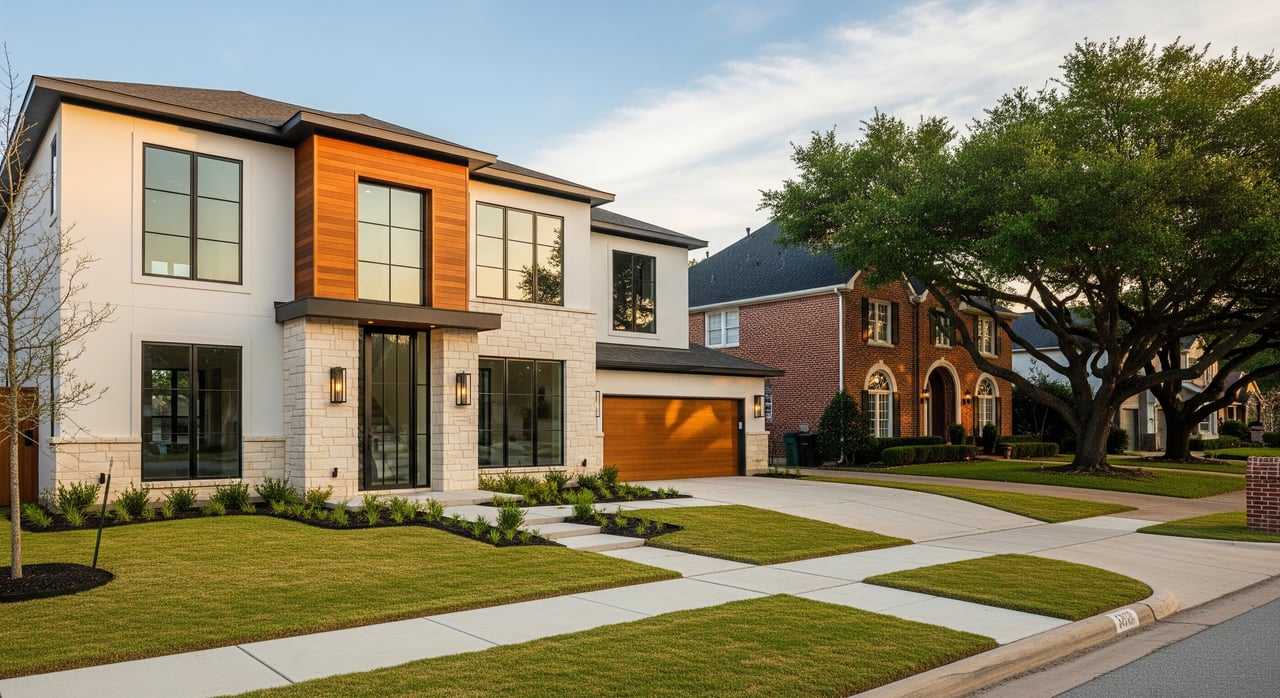
Thinking about a new construction home or a resale in Missouri City? You are not alone. Many Fort Bend families weigh fresh finishes and builder warranties against mature trees, established streets, and faster move timelines. In this guide, you will learn how build and closing timelines, financing, warranties, incentives, inspections, and local costs compare so you can choose with confidence. Let’s dive in.
Missouri City options at a glance
Missouri City offers both new construction in master planned communities and a wide mix of resale homes in established neighborhoods. New homes often sit in amenity-rich communities with pools, parks, trails, and active HOAs. You will see inventory or spec homes that are move-in ready, plus built-to-order and custom options on select lots.
Resale homes range from recently built houses to older custom homes on larger lots with mature landscaping. Many move-up buyers trade a smaller starter home for a larger resale in a mature subdivision, or they opt for a new home in a growing community. Your choice comes down to timeline, budget, lifestyle, and how much control you want over design.
Timeline: how fast can you move?
- Resale homes: Typical closing takes about 30 to 45 days once your contract is executed and your financing is approved. The most common delays are seller repairs, title issues, or survey updates.
- New construction built-to-order: Expect about 4 months on the short end to 9 to 12 months or more for a full custom build. Lot availability, permits, weather, subcontractor schedules, and materials can extend timelines.
- New inventory or spec homes: These are completed or near-complete and can often close in 30 to 60 days, similar to resale. If you want new without the long wait, this is a strong option.
If you have a fixed deadline, inventory homes and resale listings give you the most certainty. If you can plan ahead and want design control, a build-to-order home can still make sense with the right expectations.
Financing: what changes with new builds
For resale and completed inventory homes, you typically use a standard conventional, FHA, or VA mortgage. Once you are under contract, the lender orders an appraisal based on comparable sales, the title company clears title, and you close.
For built-to-order or custom homes, your lender may structure a construction-to-permanent loan. The lender funds construction draws as milestones are met and converts the loan to a permanent mortgage at completion. Because build timelines can stretch, rate risk becomes a factor. Builders sometimes offer rate buydown incentives or temporary buydowns to help soften market rate changes.
Appraisals and comparables
Appraisers use local comparable sales. In a growing subdivision with limited closed comps, appraisals can be tight. Builders sometimes provide sales data or add incentives to bridge appraisal gaps. If you are building to order, ask how the builder handles appraisal shortfalls and what happens if the appraised value comes in low.
Contracts and option periods in Texas
Texas contracts commonly include an option period that lets you pay a fee for the right to inspect and terminate within a set window. The length and presence of the option period are negotiable. Builder contracts differ from standard resale forms, and they can include lot reservations, allowances, stage payments, and specific default terms. Review these carefully and ask questions before you sign.
Warranties and post-closing protections
New construction warranties
Most builders provide a package that includes:
- One-year workmanship coverage for finish items.
- One to two years of systems coverage for mechanical, electrical, and plumbing.
- Up to 10 years of structural coverage, often through a third-party provider.
Appliances and many components also carry manufacturer warranties. Some builder and structural warranties are transferable to a subsequent owner. Ask for the full written warranty, coverage limits, exclusions, and how to file claims. Keep all punch list items documented in writing and follow the builder’s process for best results.
Resale protections
Resale homes do not come with a builder warranty. You rely on your inspection period, the Texas Seller’s Disclosure, negotiated repairs or credits, and clear title. You can also purchase a third-party home warranty, or negotiate one as a seller concession, but coverage varies. Review any home warranty’s limits, fees, and claim process before you count on it for major systems.
Incentives and pricing realities
Builder incentives you might see
Missouri City builders often rotate incentives. Examples include closing cost contributions, permanent or temporary rate buydowns, design upgrades like flooring or countertops, reduced lot premiums on select homesites, or paid HOA or amenity fees for a period. Incentives tend to be more aggressive when demand cools or when a builder wants to move specific inventory.
Resale concessions
Sellers may offer closing cost help, price reductions after inspections, or a one-year home warranty to attract buyers. The negotiation depends on condition, days on market, and competition.
Look beyond the sticker price
Compare total cost over several years, not just the sales price. Factor in:
- Lot premiums and elevation costs.
- HOA fees and common-area assessments.
- MUD taxes and assessments, which are common in the region. Confirm whether the property sits in a MUD and the current tax rate.
- Property tax rate and any homestead exemption through Fort Bend County. Taxing entities and rates change annually.
- Energy efficiency and maintenance. New homes built to current codes may reduce energy bills and near-term repairs. Resales may need roof, HVAC, or window replacements in the next few years.
- Resale and appreciation. Mature neighborhoods with established landscaping and larger lots can show steady long-term value, while new areas may appreciate as amenities and occupancy build. Balance potential with the risk of nearby competing new product.
Inspection and due diligence checklists
For built-to-order new construction
- Contract and permits
- Verify the legal lot description, recorded plat, deed restrictions, and HOA documents.
- Confirm MUD status and any assessments.
- Ensure required permits are pulled and city or county inspections are scheduled.
- Staged inspections you can order
- Pre-slab inspection to confirm plumbing and electrical in the foundation.
- Pre-drywall inspection to check framing, wiring, plumbing, and HVAC ducting.
- Final inspection with a full systems review, roof, exterior envelope, windows, and doors.
- Specialty inspections as needed, such as termite, sewer scope, or radon testing.
- 11th-month warranty walkthrough to catch items before the builder warranty period ends.
- Punch list and warranty
- Get written punch list procedures and response times.
- Request the full written warranty and contact information for claims.
For inventory or spec homes
Treat these like a resale for inspection timing. Verify city inspections are complete and a certificate of occupancy is issued. Check that manufacturer warranties are registered and in your name at closing.
For resale homes
- Standard inspection scope
- Foundation and structure, roof, HVAC, electrical, plumbing, drainage, windows and doors, attic and insulation, and any visible moisture concerns.
- Specialty inspections often worth adding
- Termite evaluation.
- Sewer scope for older lines.
- Pool or spa inspection if present.
- Septic inspection if outside city utilities.
- HVAC duct and efficiency checks.
- Records and disclosures
- Review the Texas Seller’s Disclosure, maintenance records, permit history for renovations, and past utility bills.
Flood, elevation, and drainage
Review FEMA flood maps and consider elevation certificates for lots in or near mapped floodplains. Even outside a labeled zone, heavy storms can create drainage issues. Study neighborhood drainage plans and ask about recent flood history.
Title, easements, and usability
Title review will identify easements for drainage, utilities, or common areas. These can affect fence lines, pool locations, and outbuildings. Confirm any encroachments or restrictions early in your option period or during your builder contract review.
HOA and deed restrictions
Read the covenants, conditions, and restrictions carefully. Look for rules on exterior changes, fencing, additions, and any rental or short-term rental limits. In master planned communities, ask about developer control timelines and amenity access policies.
Decision framework for move-up families
Use these checkpoints to align your choice with your goals:
- Budget and long-term cost: Consider price, expected interest rate at closing, property taxes, HOA and MUD fees, and 5 to 10 years of maintenance.
- Timing: If you need to move soon, focus on resale or inventory homes. If you can wait, a built-to-order home can deliver your preferred layout and finishes.
- Lifestyle: New builds offer modern floor plans and low initial maintenance. Resales may provide larger lots and mature landscaping.
- Risk and control: Building gives you design control but introduces construction and appraisal risk. Resale gives you immediate condition visibility with potential renovation projects.
- Schools and commute: Verify current school attendance zones and any planned rezoning, and map your commute at peak times.
Quick guides:
- Need brand-new systems on a short timeline: choose an inventory or spec home, or a recently renovated resale.
- Want full customization and can handle a longer timeline: consider built-to-order construction.
- Value lot size, trees, and an established neighborhood feel: lean toward resale in mature subdivisions.
- Want lower near-term maintenance and better energy performance: compare new build energy features and request HERS or efficiency details.
Local checks before you decide
- Fort Bend County Appraisal District for tax rates, exemptions, and parcel details.
- City of Missouri City for permits, inspections, and drainage or floodplain guidance.
- FEMA Flood Map Service Center for flood risk and elevation certificates.
- Texas Real Estate Commission resources for contracts, option periods, and disclosures.
- Texas Department of Insurance for homeowners coverage guidance.
A quick planning tip: build a side-by-side budget that includes earnest money, option fee, upgrades or allowance selections, closing costs, property taxes, HOA and MUD fees, and a maintenance reserve. For new builds, also account for potential interest rate changes during construction.
Bottom line
Both paths work in Missouri City. If speed, established streets, and lot size are your drivers, resale may fit best. If you want a modern floor plan, energy efficiency, and builder warranties, new construction can pay off. The right choice aligns with your timing, budget, and lifestyle while factoring local costs like MUD taxes, HOA fees, and flood or drainage considerations.
Ready to compare real homes and numbers side by side? Get disciplined, veteran-led guidance and skilled negotiation from Janssen Realty Group. Let’s map your timeline, review incentives and disclosures, and secure the best fit for your family. Find out your home's value and start your next move with confidence.
FAQs
What is the typical closing timeline for resale homes in Missouri City?
- Most resale closings take about 30 to 45 days, depending on your lender, title work, and any negotiated repairs.
How long does a built-to-order new construction take to finish?
- Many builds run 4 months on the short end and 9 to 12 months or more for custom projects, depending on permits, weather, and materials.
What financing is different for new construction versus resale?
- Resale and completed inventory homes use standard mortgages. Built-to-order homes may use construction-to-permanent loans and require planning for rate risk.
Do new homes come with better warranty coverage than resales?
- New homes typically include 1-year workmanship, 1 to 2 years on systems, and up to 10 years structural coverage, while resales rely on inspections and negotiated repairs.
What inspections should I schedule for a new build in Missouri City?
- Consider pre-slab, pre-drywall, and final inspections, plus an 11th-month warranty walkthrough and specialty checks like termite or sewer scope if needed.
How do MUD taxes affect my monthly housing cost?
- If a home is in a MUD, you will pay additional taxes or assessments that vary by district, which can raise your total monthly cost alongside property taxes and HOA fees.